I hope it's okay if I weigh in too :p
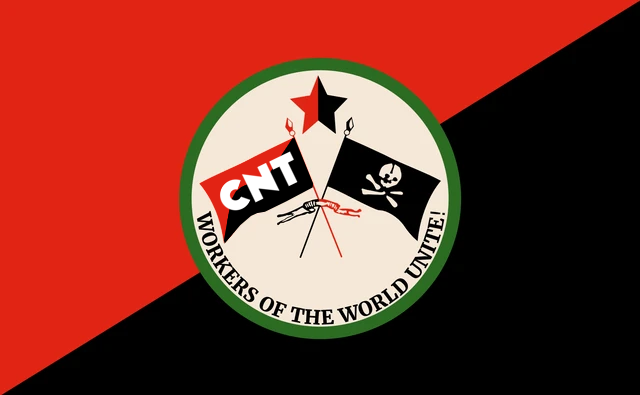
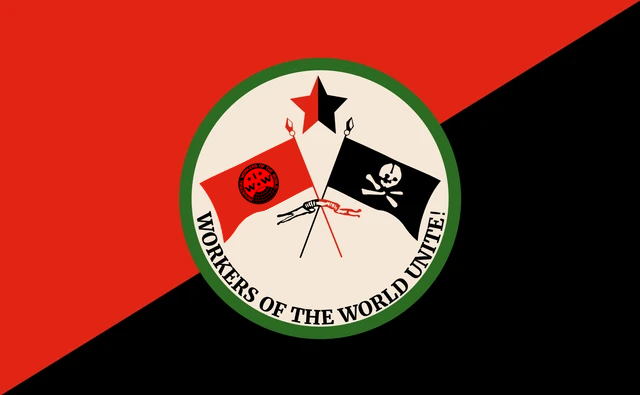
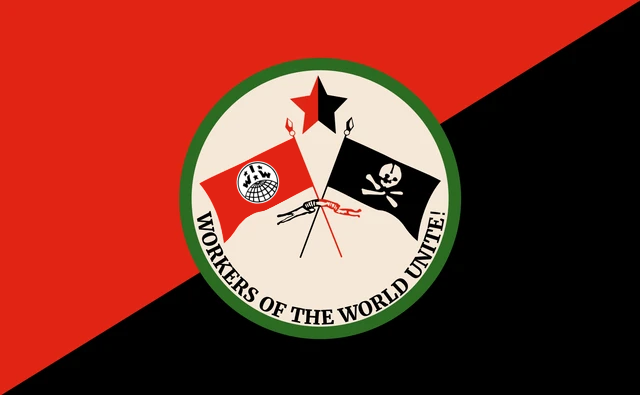
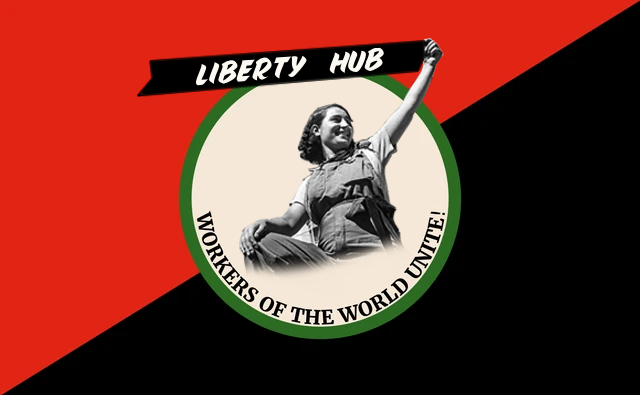
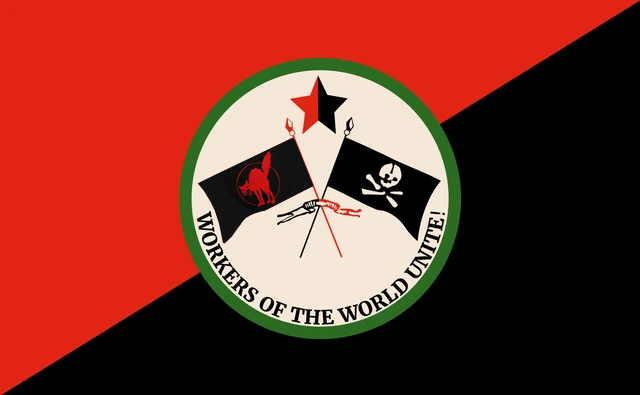
I think my favorites are CNT, Original, and Tabby (cause cat), but if I had to pick just one, I think I'd choose Original.
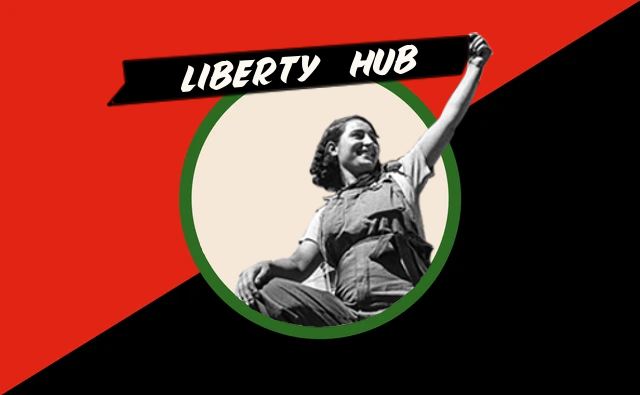
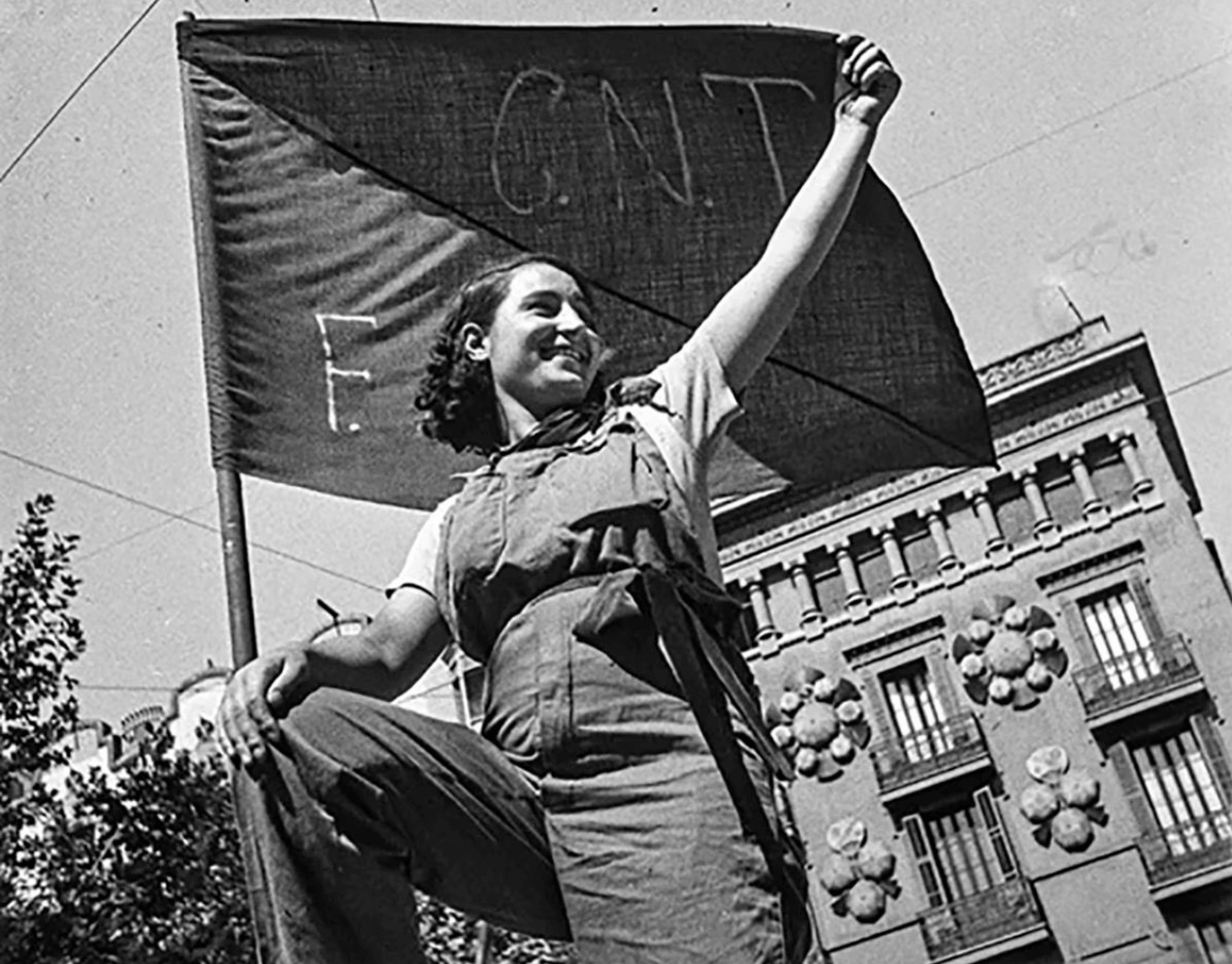
And I realized I never provided any context for where I got the person holding the banner in Original! It is from this cool Spanish Civil War photo (and I just realized I forgot to create a CNT FAI flag version, oop). She was a militia woman called Anita (or Antoni Campañà), and there's a cool backstory around her from this article in Catalan, but I'll pop an English translation below in a spoiler (from Firefox's built in translation ability, so hopefully fairly accurate).
English translation of the article
in the summer of 1936, a young militiawoman unfolds, cheerful and confident, a black and red flag of the CNT-FAI in a barricade erected on Hospital Street next to the Rambla, with the Casa dels Umbrellas in the background. The image, a symbol of the revolutionary soul and the hopes of the people in arms, became one of the most widespread icons of the Spanish civil war around the world, reproduced in postcards, magazines and even T-shirts for dogs or motorcycle helmets, although it was not known who the author, Antoni Campañà, was, until one of his grandchildren found it in 2018 in the garage of his house inside First mystery solved. But who was the libertarian smiling and confident?
When two years ago the French couple formed by François and Liliane Gomez saw the image displayed on the facade of the MNAC announcing the exhibition The infinite war. Antoni Campañà. Tensions of a look. 1906-1989, they did not hesitate for a second. “But it’s the beast Anita!” Anita was the family name of Ana Garbín Alonso, a free and libertarian woman who had worked as a dependent in Can Jorba and who, at the time of the photo, was 21 years old, was divorced from the first husband, had a daughter, Liberty, three years old, and maintained a passionate relationship with a Republican army officer who had a second family in France. They lived near the Paseo de Gracia. Born in Almeria in 1915, she had arrived in Barcelona at the age of five and was the oldest of the six children (four girls and a boy) of Manuel Garbín Ibáñez, a militant anarchist who had joined the CNT in 1921 and worked on the railways, and Grabriela Alonso Martínez, who ran a greengrocer and volatería store in the home where they lived in the Plaza de San Agustín Well, in the neighborhood. “The iconic photo of Iberian anarchism was taken by a Catholic and the protagonist was a believer”
“Their commitment is totally linked to that of their parents. She grew up in an atmosphere of anarchist militancy and she kept the ideals until the end”, recall the youngest son, Joseph Lumbreras, Pepito, and his nephew Alain Solans, who in French exile remembers her cooking paellas and listening to albums by Antonio Molina, Juanito Valderrama, Joselito, Luis Mariano, Lola Flores, El Niño de Murcia or Manolo Escobar. He never wanted to go back to Barcelona. "Their political commitment nullified any desire to return to a country ruled by fascists," they point out. He died in 1977 in Beziers and, as a good believer, his grave is presided over by a cross.
In 1937, a year after Campañà portrayed her, Anita, who had already seen her second daughter, Harmonia, died, gave birth to Floréal Pérez. “She could not breastfeed and her mother, Gabriela, who had just had the Amapola”, recall the son and nephew, who recount that Anita was involved in politics since the age of 18 and that in the defense of Barcelona also participated the sisters Carmen and Josefa, 11 and 8 years old, “hiding weapons in chairs with double bottoms and in laundry baskets that they carried”
Floréal is the daughter of a Republican commander with whom on February 10, 1939 she crossed the French border to escape the bombs. They threw weapons into the sea in Cervera de la Marenda and were separated in different refugee camps until the French woman rescued them from the military. “Anita left, then, alone with her children in Bedarius, worked as a seamstress in a military uniform factory, organized union meetings with the Spanish exiles and, later, settled in Beziers”, where she met what would be the love of her life, José Lumbreras, communist and father of Pepito.
“They often argued passionately and the conversations rose in tone, but they did not try to convince each other, each convinced of their good cause and good faith.” Of course, when she uttered the word religion, he answered: “Inquisition”.
The identity of the protagonist of the iconic photograph has been made known on the occasion of the inauguration of Antoni Campañà. Icônes cachées , which opens tomorrow in the Pavillon Populaire of Montpellier and has as curators Arnau González i Vilalta, Plàcid Garcia-Planas and the grandson of the photographer, Toni Monné, the same who opened for the first time to the public in the MNAC the content of the red boxes on life in the rear. “The great paradox of this story is that the iconic photography of Spanish Iberian anarchism was made by a Catholic photographer and the model was a believer,” says Garcia-Planas, who with the other two curators prepares a documentary about the militiawoman.
I actually didn't realize until afterward that she named her daughter Liberty, a fun coincidence ^^